Supplier delivery mismatch guide
Supplier Delivery Mismatch: What to Do With Short, Damaged or Wrong Goods
When a supplier delivery does not match the bill, hold the unclear goods, record the actual count and choose whether to return, correct or accept them.
For Indian retailers, wholesalers, distributors and FMCG stockists who receive cartons, cases, boxes or loose goods from suppliers.
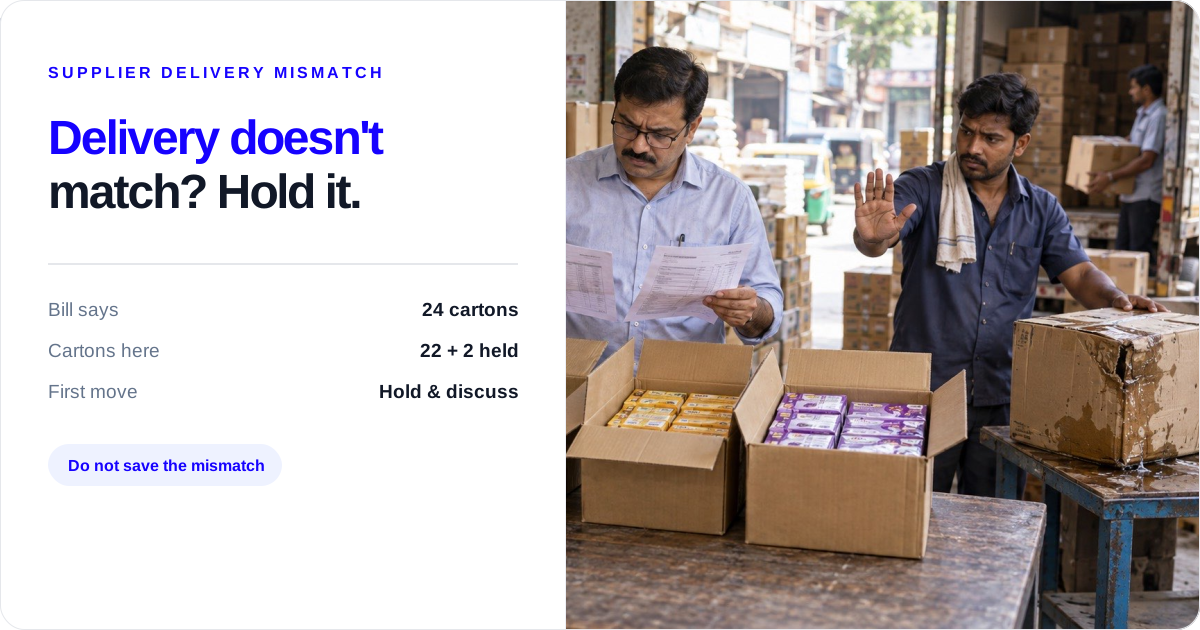
When a supplier delivery does not match the bill, hold the short, damaged or wrong goods aside, write down what actually arrived and choose the next action before saving the final purchase.
This is the receiving moment in a shop, wholesale counter or godown: the truck is waiting, the bill says 24 cartons, and the team finds 22 cartons, one wet carton and one different pack. If the full bill is entered before anyone checks, the stock number can look complete even though the saleable goods are not.
For the full routine from counting and condition checks to recording accepted stock, read the inventory receiving process guide.
Keep unclear goods out of the stock number first
Put the supplier bill, purchase order and cartons together at the receiving point. Ask one person to count and one person to read the bill. Keep goods that need a supplier answer away from cartons ready to store.
Check in this order:
- Compare the item: brand, variant, size, strength, model or pack description.
- Compare the unit: carton, case, box, piece, kilogram, litre or another unit printed on the document.
- Count the quantity: count sealed cartons first, then open the cartons that need a piece count.
- Inspect the condition: keep leaking, crushed, wet, broken or spoiled goods separate from goods that can be sold.
- Compare the location: write the shop, branch or godown where the goods actually arrived.
- Choose an owner: the receiving person reports the difference; the owner or purchase lead discusses the supplier action.
The bill is only a reference. The cartons, count and condition decide what you can record.
Four delivery problems that need four different next steps
The delivery is short
If the bill says 24 cartons and 22 cartons are present, write down 22 and keep the missing two in the call with the supplier. Do not record 24 just because it is printed on the bill. Keep the bill reference with the count until the difference is settled.
If a carton is open, count its pieces in the unit your item record uses. For example, 10 cartons of 24 pieces means 240 pieces only when all 10 cartons contain the stated pack. A short carton is not a complete carton just because the outer label says so.
Goods are damaged
Separate the affected quantity. A wet outer carton may contain usable inner packs, while a leaking bottle or crushed packet may not be saleable. Count the usable and affected goods separately and note what the receiving person saw.
Ask the supplier whether the goods will be replaced, returned or accepted with an adjustment. The person counting the delivery should not make the final disposal or quality decision. Keep the goods aside until the right person decides.
The item or pack is different
Compare the physical label with the purchase order and supplier bill. A 5 kg bag is not the same item as a 1 kg bag, and a different flavour, model, strength or case quantity should not be saved under the nearest item name.
Hold the different goods and ask whether they are a replacement, a packing error or a return. If the owner accepts them, select the exact item and record the quantity and price that actually arrived. Do not make the stock look right by changing the item name later.
The document and cartons cannot be explained yet
Use a short receiving note with the supplier, bill number, date, item, expected quantity, actual quantity, condition, receiving location and person handling the follow-up. Keep the goods away from saleable stock until the question is answered.
That keeps the next person from selling or storing the wrong goods. Do not promise unclear cartons to a retailer or stack damaged goods with saleable stock just because the invoice is printed.
Choose the next action from what you find
| What you find | Check first | Next action |
|---|---|---|
| Item, pack and quantity match | Count and condition are clear | Record the purchase at the receiving location |
| Fewer cartons or pieces came | Actual count and bill quantity | Hold the short quantity and discuss before recording |
| Leak, crush or spoilage is visible | Affected quantity and condition | Separate it; discuss return or treatment |
| Wrong item, pack or variant came | Purchase order, bill and physical label | Hold it and ask the supplier before saving |
| Purchase was saved before the check | Saved item, unit, location and history | Correct the real event; do not add stock again |
Item, pack and quantity match
- Check first
- Count and condition are clear
- Next action
- Record the purchase at the receiving location
Fewer cartons or pieces came
- Check first
- Actual count and bill quantity
- Next action
- Hold the short quantity and discuss before recording
Leak, crush or spoilage is visible
- Check first
- Affected quantity and condition
- Next action
- Separate it; discuss return or treatment
Wrong item, pack or variant came
- Check first
- Purchase order, bill and physical label
- Next action
- Hold it and ask the supplier before saving
Purchase was saved before the check
- Check first
- Saved item, unit, location and history
- Next action
- Correct the real event; do not add stock again
Use the table to answer three questions: what arrived, what should you check and what happens next. On a phone, each row becomes one card.
| What you find | Check first | Next action |
|---|---|---|
| Item, pack and quantity match | Count and condition are clear | Record the purchase at the receiving location |
| Fewer cartons or pieces came | Actual count and bill quantity | Hold the short quantity and discuss before recording |
| Leak, crush or spoilage is visible | Affected quantity and condition | Separate it; discuss return or treatment |
| Wrong item, pack or variant came | Purchase order, bill and physical label | Hold it and ask the supplier before saving |
| Purchase was saved before the check | Saved item, unit, location and history | Correct the real event; do not add stock again |
- Item, pack and quantity match: check that count and condition are clear; record the purchase at the receiving location.
- Fewer cartons or pieces came: compare the actual count with the bill quantity; hold the short quantity and discuss before recording.
- Leak, crush or spoilage is visible: count the affected quantity and inspect condition; separate it and discuss return or treatment.
- Wrong item, pack or variant came: compare the purchase order, bill and physical label; hold it and ask the supplier before saving.
- Purchase was saved before the check: inspect the saved item, unit, location and history; correct the real event and do not add stock again.
Use it to decide who handles the next step while the cartons are still in front of you. It is not an approval workflow.
Record only the event that actually happened
Once the count and condition are clear, record the purchase against the shop, branch or godown that received the goods. Keep the item, unit and quantity consistent with the physical count. If goods later move to another location, record that movement separately rather than changing the original receiving location.
If goods go back to the supplier, use the purchase-return process for the quantity that actually goes back. If goods are confirmed damaged or wasted while still with you, and there is no purchase or return to record, use Stock Adjustment for the affected quantity and give the reason. If the delivery is still being discussed, do not use an adjustment to hide the supplier difference.
In Stock Register, use Stock Tracking to inspect the purchase, return, adjustment and item movement you have saved. The selected store or godown keeps the saved quantity tied to the location used on the entry. You still compare the PO, bill and cartons, check condition, hold unclear goods and choose whether to record, discuss, return or correct them. Stock Register does not approve a delivery or match the cartons to the documents for you.
A worked example: 24 cartons on paper, three questions on the floor
| Detail | What the team records |
|---|---|
| Supplier document | PO and bill numbers kept together |
| Expected | 24 cartons of the ordered flavour |
| Present | 22 sealed cartons, 1 wet carton, 1 different-flavour carton |
| Immediate action | Separate the wet and different cartons; hold the supplier discussion |
| Saleable purchase entry | Only the quantity the owner confirms as received and saleable under the business process |
Supplier document
- What the team records
- PO and bill numbers kept together
Expected
- What the team records
- 24 cartons of the ordered flavour
Present
- What the team records
- 22 sealed cartons, 1 wet carton, 1 different-flavour carton
Immediate action
- What the team records
- Separate the wet and different cartons; hold the supplier discussion
Saleable purchase entry
- What the team records
- Only the quantity the owner confirms as received and saleable under the business process
| Detail | What the team records |
|---|---|
| Supplier document | PO and bill numbers kept together |
| Expected | 24 cartons of the ordered flavour |
| Present | 22 sealed cartons, 1 wet carton, 1 different-flavour carton |
| Immediate action | Separate the wet and different cartons; hold the supplier discussion |
| Saleable purchase entry | Only the quantity the owner confirms as received and saleable under the business process |
An FMCG stockist receives a supplier bill for 24 cartons of a biscuit item at the Main Godown. The team counts 22 sealed cartons. One additional carton is wet and has damaged inner packs. A third carton contains a different flavour from the one on the purchase order.
The note should keep the PO and bill numbers together; show 24 cartons expected; list 22 sealed cartons, 1 wet carton and 1 different-flavour carton; and say that the wet and different cartons are set aside while the supplier is contacted. The purchase entry should include only the quantity the owner confirms as received and saleable. The page shows these details as labelled cards on a phone.
The rule is simple: the entry records the item, unit, quantity, location and supplier you save; your receiving note records the count, condition and supplier decision. Do not turn an unanswered question into a complete stock number.
What to say to the supplier
Give the supplier the details in one message: bill or PO reference, ordered item and pack, actual count, damaged quantity, different item or pack, receiving location and the action you want discussed. Keep the note with the cartons until the owner closes the issue.
For a short delivery, ask whether the missing quantity will be sent later or credited. For damaged goods, ask whether the supplier will replace or take them back. For a different item, ask whether it is an agreed replacement or a packing mistake. The supplier and owner must settle these points; the software cannot decide them.
See the saved stock movement after receiving

Real Stock Register item history showing saved purchases and stock movements. It helps the owner inspect the record after receiving; it does not prove that every billed carton arrived or was saleable.
After the receiving decision, use Stock Tracking to inspect the purchase, return, adjustment and item movement your team has saved. The item history shows recorded rows such as stock in, stock out, purchase, store movement, quantity and remaining stock. See Stock Tracking when you want to inspect the saved record.
This shows what was saved in Stock Register. It does not prove that every billed carton arrived or was saleable. You still compare the PO, bill and cartons and check the condition.
What Stock Register records—and what your team must still do
Stock Register keeps the purchase, purchase return, stock adjustment, item, unit, location and remark that you save. Stock Tracking lets you inspect the movement and item history after the entry.
You must still count cartons, inspect condition, compare the purchase order with the bill, decide whether goods are saleable and choose the right stock action. A saved purchase does not prove that all billed goods arrived. A saved adjustment does not explain why a delivery was short.
Related resources
Frequently Asked Questions
Should I record the full purchase when the supplier delivers fewer cartons?⌄
No. Count what arrived, keep the short quantity out of the purchase until the difference is settled, and record only what you confirm as received. Keep the bill with the count so the owner can discuss it with the supplier.
What should I do with a damaged carton from a supplier?⌄
Separate it, count the usable and affected quantities, note the condition and discuss a return or other treatment before calling it saleable stock. Use Stock Adjustment for a confirmed stock event, not for an unchecked delivery.
What if the supplier sends a different item or pack?⌄
Hold it and compare the purchase order, supplier bill and physical label. Do not save it under the nearest item name. Ask the supplier whether it is a replacement, correction or return, then record the event that actually happened.
Can Stock Register match my purchase order to the cartons automatically?⌄
No. Stock Register keeps the purchase, item, unit, location, return or adjustment entry that you save. You must compare the order and bill with the physical goods and decide what to accept or discuss.
When should I use Purchase Return instead of Stock Adjustment?⌄
Use Purchase Return when goods go back to the supplier. Use Stock Adjustment for a confirmed difference such as damage or wastage while the goods are with you, with the right quantity and reason. If the delivery is still unclear, hold it and decide first.